
Beginners
WeightLight (<340 g)
ShapeRound
BalanceLow
For a beginner player, it is very important to choose a racket that will provide you with great maneuverability and forgiveness (with a large sweet spot).
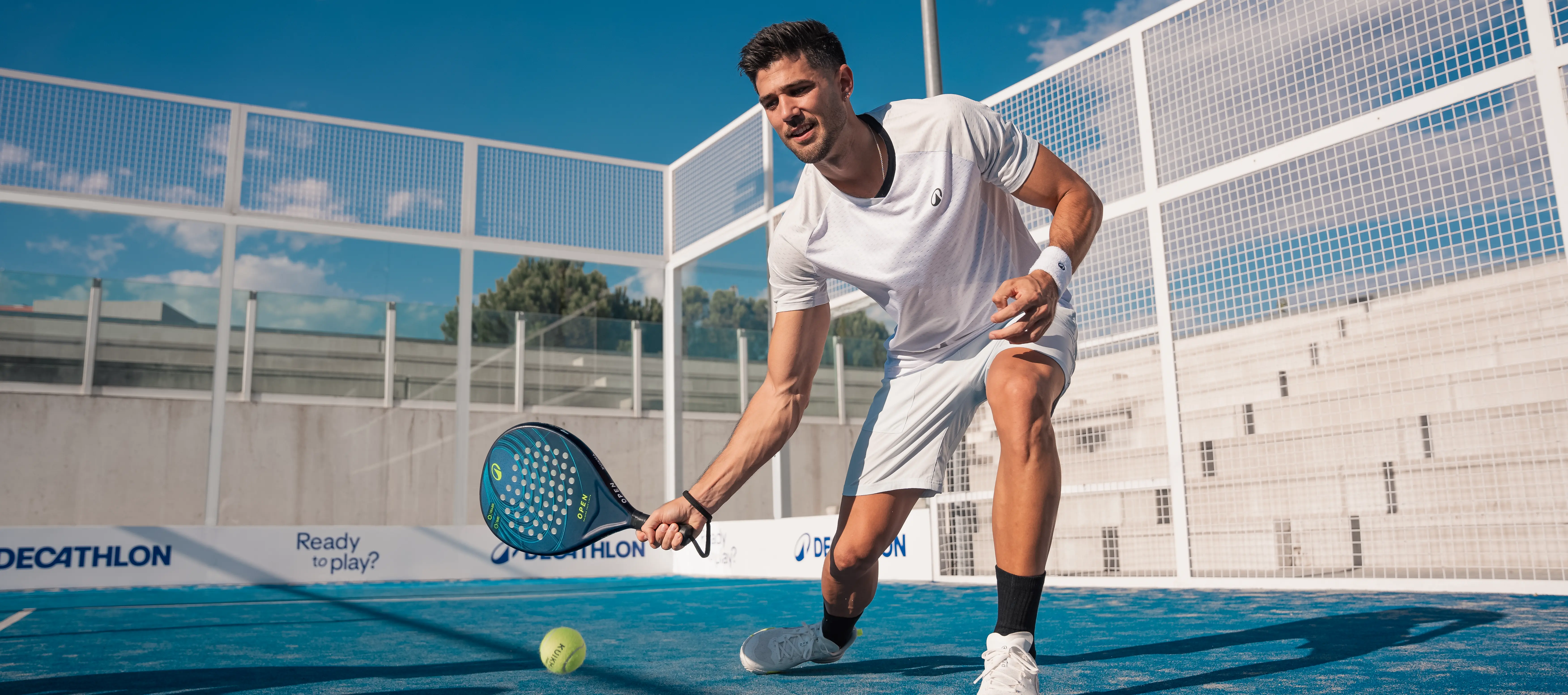
Weight, balance, shape and materials all need to be considered when choosing a padel racket. So let's get into it. Here's how to choose a padel racket for beginners.
Here we look at choosing the right padel racket (notice that it's «racket», not «bat»). Whether you're just starting out as a beginner, or fancy yourself as a more seasoned player, here we explain the different characteristics of padel rackets, and why they affect which one you should choose.
The higher the weight of the padel racket, the more power you can generate with your shots. However, a higher weight also makes the padel racket less maneuverable and more challenging to control. We categorise the weight type of a padel racket into three categories:
The primary weight is located in the handle, closer to the body, making it a racket easier to maneuver. This type of balance is typically found on round-shaped rackets.
Middle (neutral)The weight is distributed evenly throughout the racket, giving it a good balance between power and maneuverability. This type of balance is typically found on teardrop-shaped rackets.
Top (head balance)The weight is located in the head of the racket, giving it plenty of power. However, this makes the racket less maneuverable, and it requires a good fundamental technique to master. This type of balance is typically found on diamond-shaped rackets.
This racket model features a wide sweet spot (the optimal hitting zone), making it very forgiving and therefore easier to handle for precise shots. With weight distributed towards the handle, this racket offers increased maneuverability, allowing for smooth movements and optimal control of the ball trajectory. If you're looking for a racket that's easy to use with great precision in your shots, this one is perfect for you.
Tear drop padel racketPadel rackets in teardrop shape have a smaller sweet spot, and the balance is typically in the middle of the racket (thus requiring a certain level of technical skill to master). It's a compromise between a round racket and a diamond-shaped racket. Therefore, this racket could be characterized as a hybrid version suitable for intermediate to advanced padel players. Perfect for players seeking a balance between maneuverability and power in their game.
Diamond padel racketThese rackets are typically intended for advanced players because the sweet spot is located at the top of the racket, making it more challenging to consistently hit the ball well. Additionally, the balance is towards the top of the racket (head-heavy), increasing the level of strength and skill required to maneuver it effectively. It's perfect for those seeking more power in their shots.
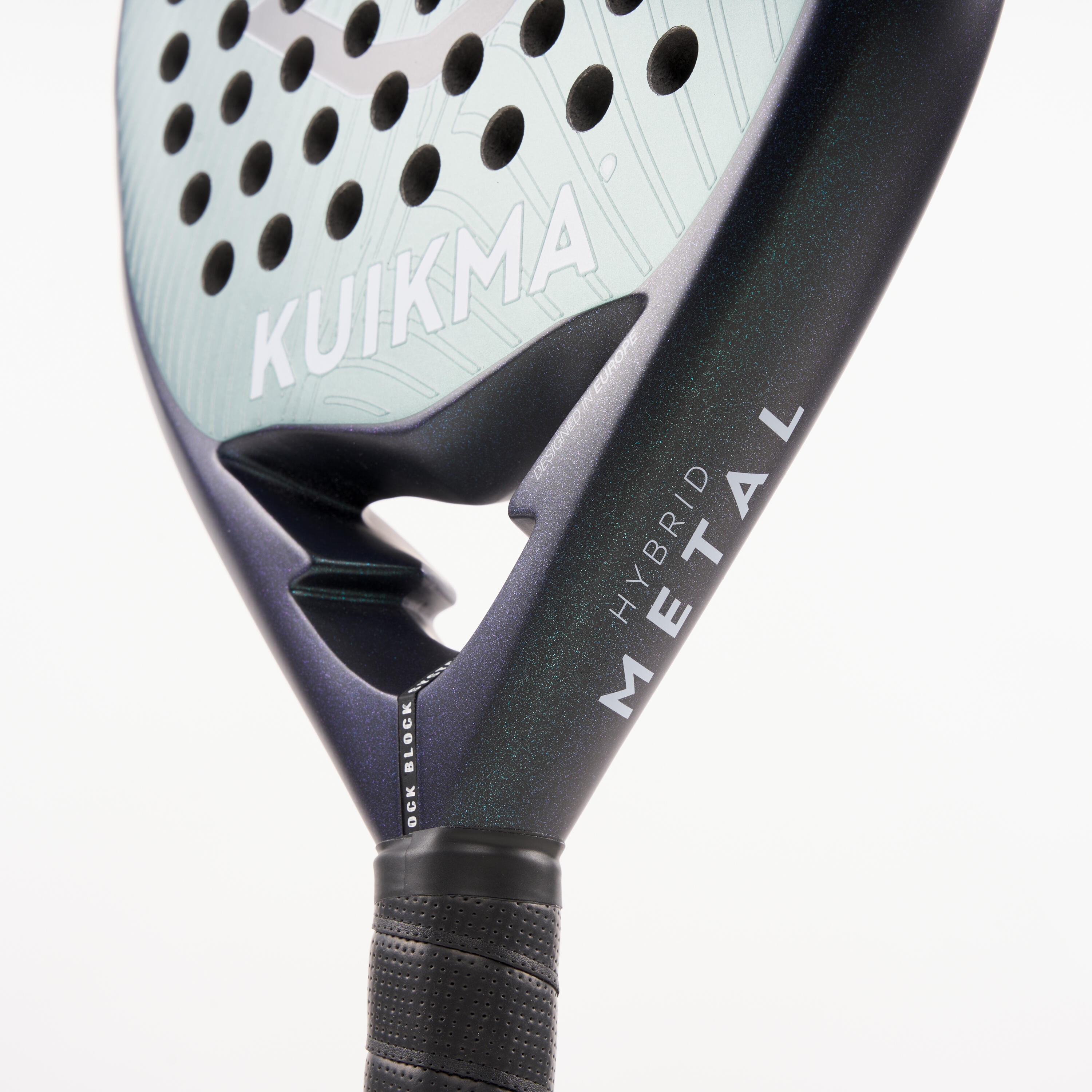
Elastic foams that maximize comfort during the shot and also increase the ball rebound upon impact (meaning more power in slow shots but less in hard shots). Additionally, it helps reduce vibrations during the strike and thus injuries to wrists or hands.
Medium foam hardnessBalance between power, rebound and comfort.
Hard foam hardnessStiff foams that maximize the power of hard shots and also the control of the ball trajectory. However, you might sacrifice some comfort due to the rigidity.
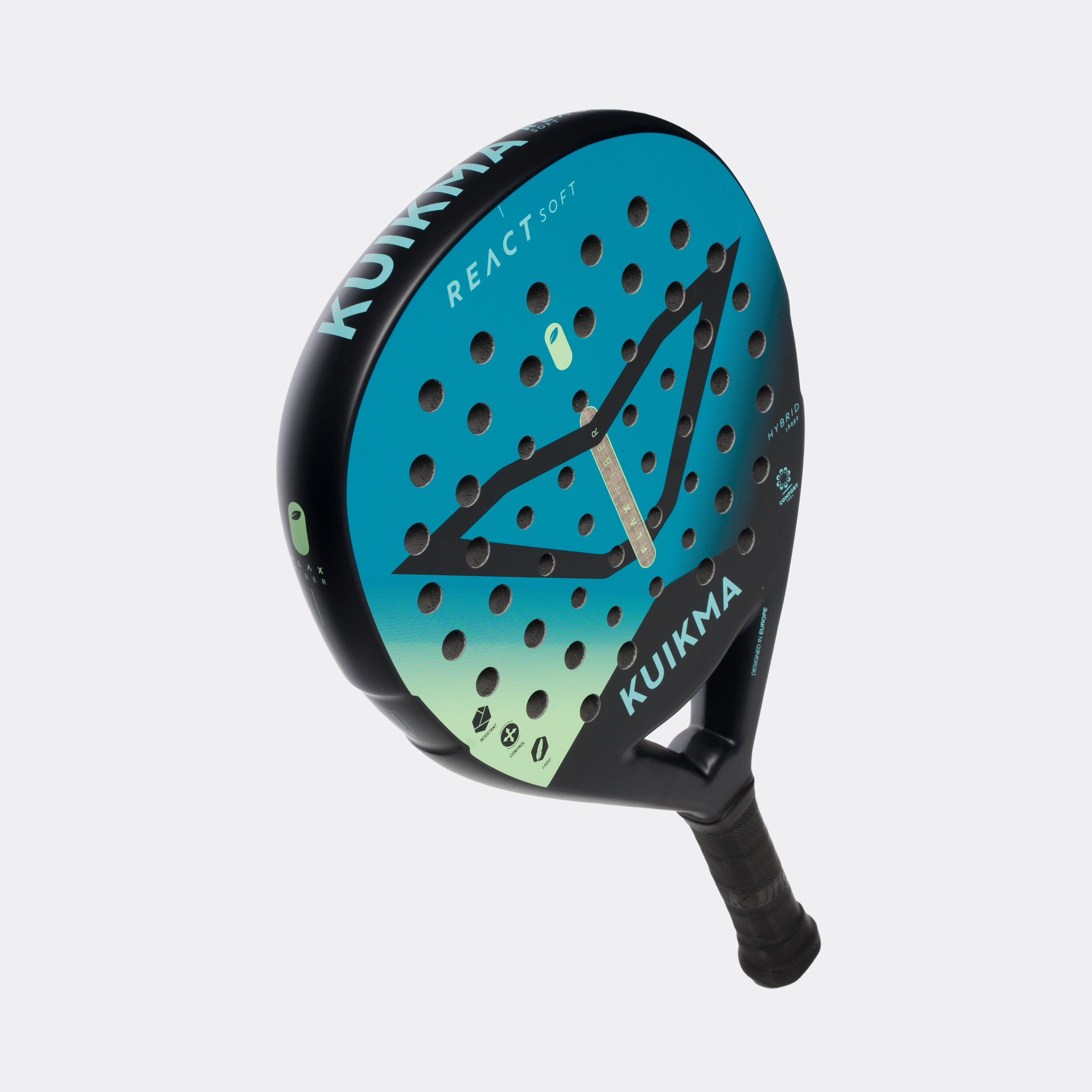
Essentially, we can differentiate between carbon fiber and fiberglass.
FiberglassThis is used to increase the comfort and elasticity of the racket due to its flexibility, common in rackets for both beginners and advanced players.
Carbon fiberA highly resistant material, perfect for expert rackets to increase their durability and power in hard hits due to its rigidity.
The choice of a padel racket should be made based on your level of expertise, which is divided into three categories:
Light (<340 g)
ShapeRound
BalanceLow
For a beginner player, it is very important to choose a racket that will provide you with great maneuverability and forgiveness (with a large sweet spot).
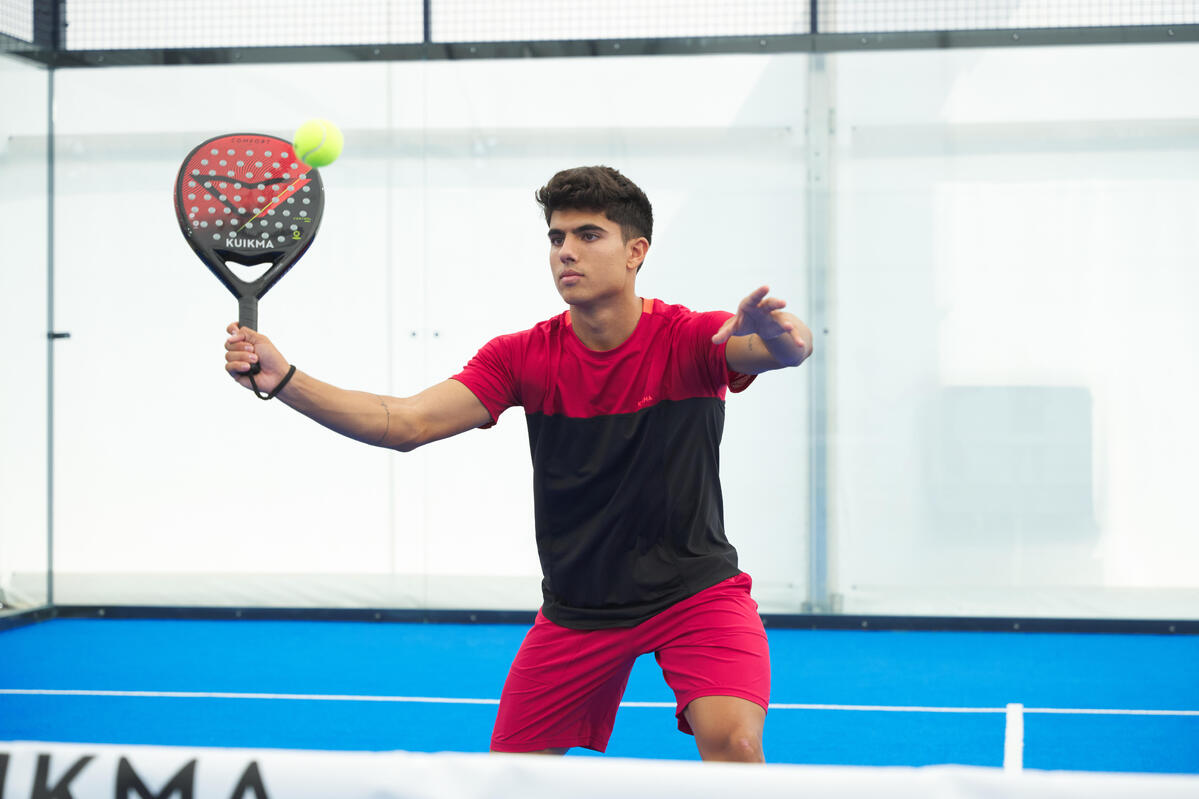
Medium (340 to 360 g)
ShapeTeardrop
BalanceMiddle (neutral)
If you play padel regularly, you will need a more versatile racket. You will already have a technical foundation with which you can master a more demanding racket with higher performance in terms of power and precision.
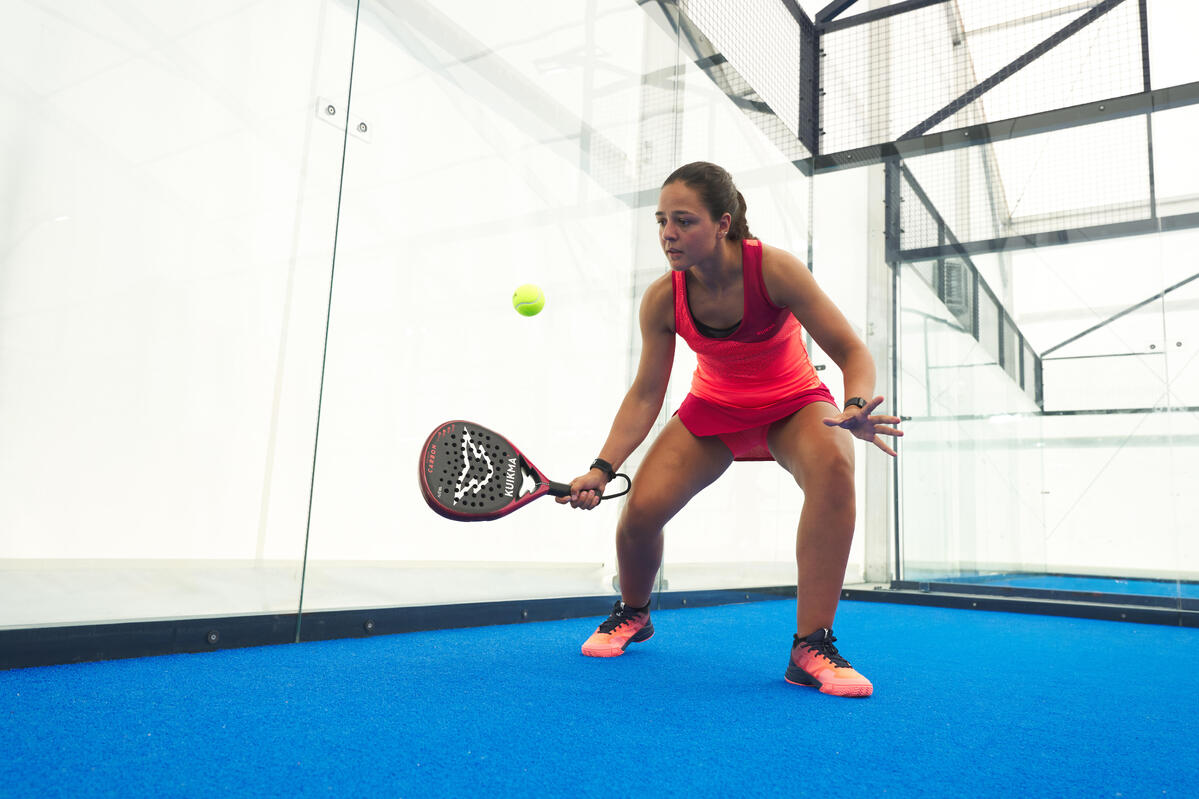
Heavy (>360 grams)
ShapeDiamond
BalanceTop
Aimed at intensive players, «diamond» shaped rackets will especially provide power to players who prefer them. To progress and perform in this direction, it is important for expert players to choose head-balanced rackets made of rigid fiber and hard foam.
If you are just starting, the Kuikma PR Open is the most friendly and affordable option. It proves that you don't need to spend a fortune to get a quality racket.
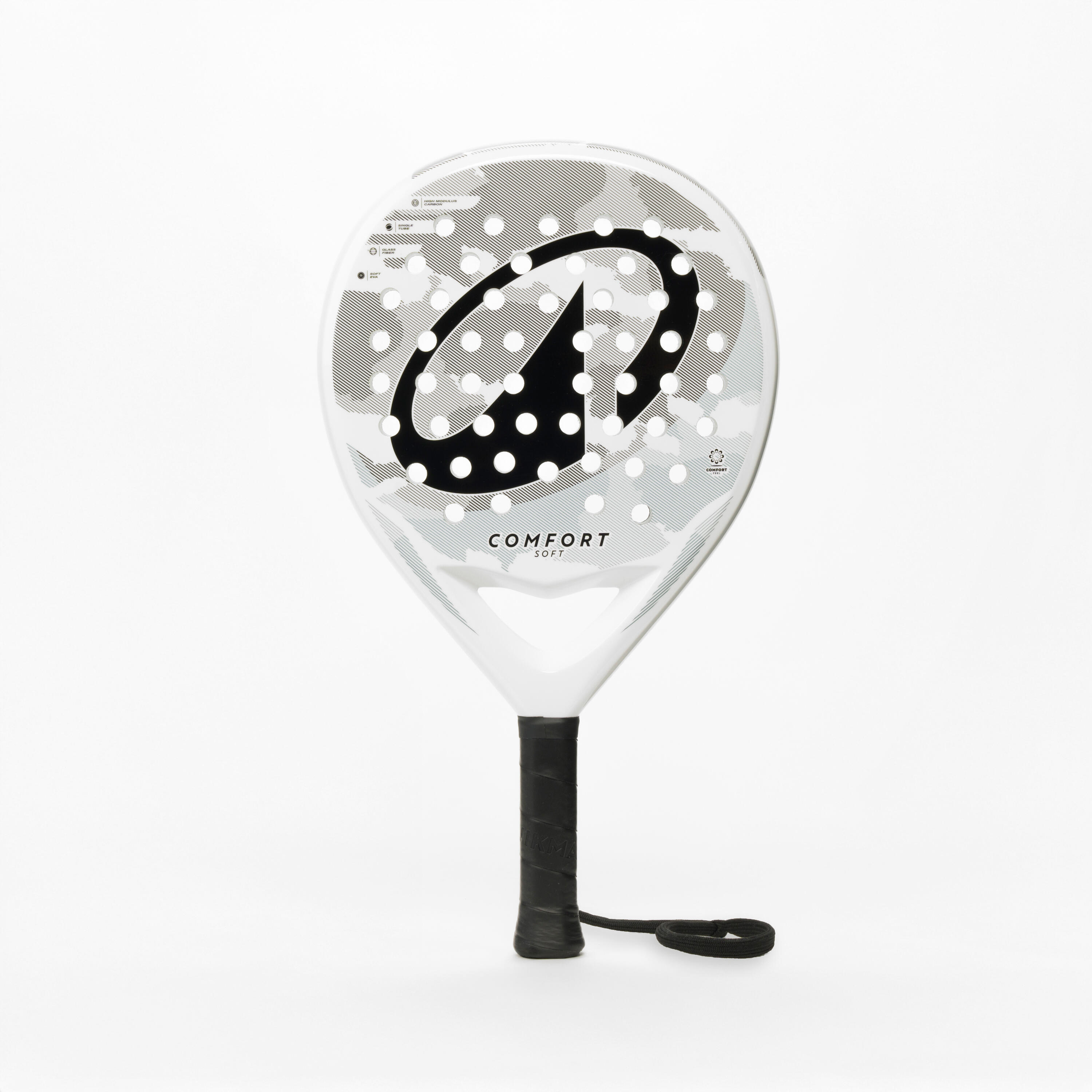
Once you are playing once or twice a week, the PR Comfort Soft is your best upgrade. It offers a teardrop shape, medium balance, and a mix of fiberglass and soft EVA foam.
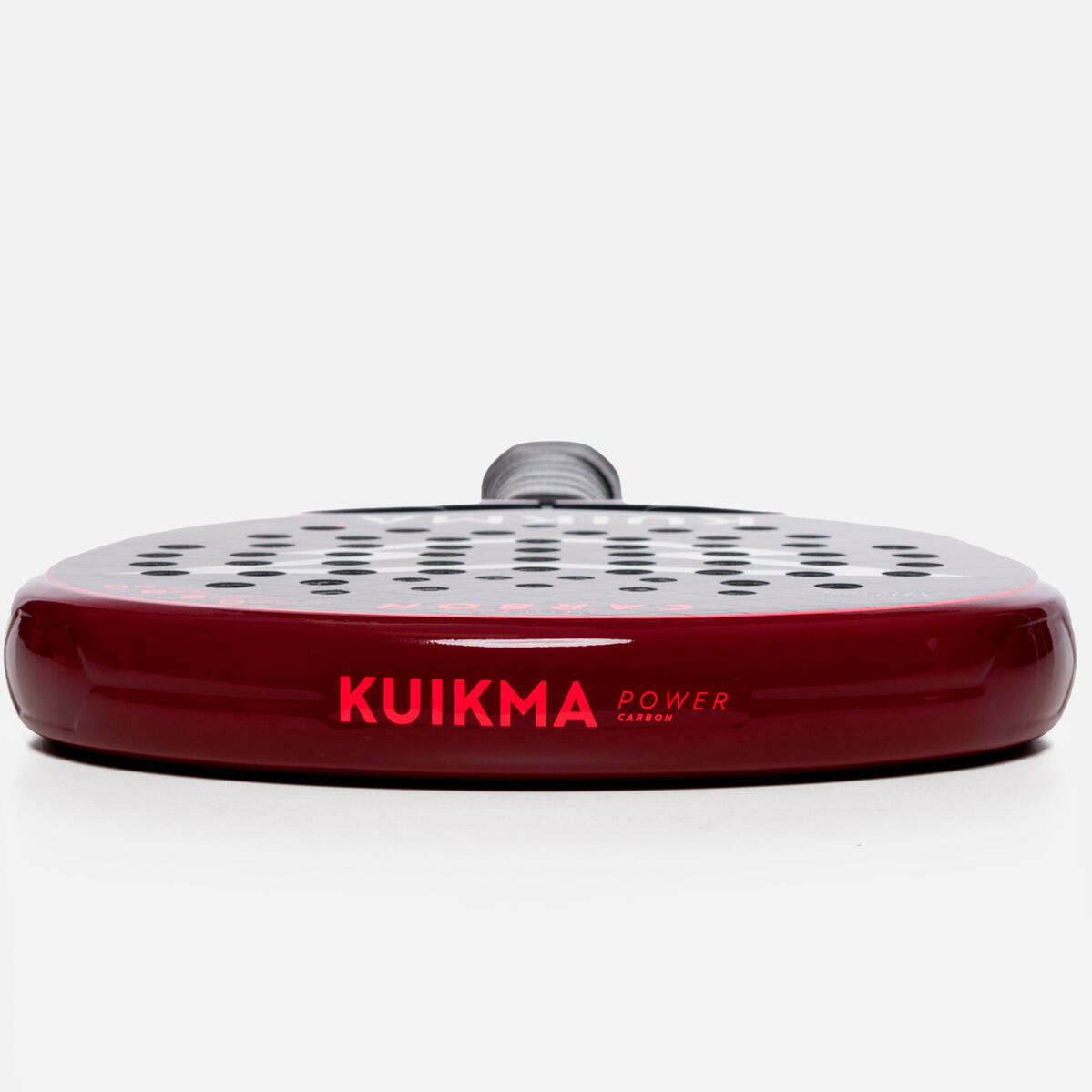
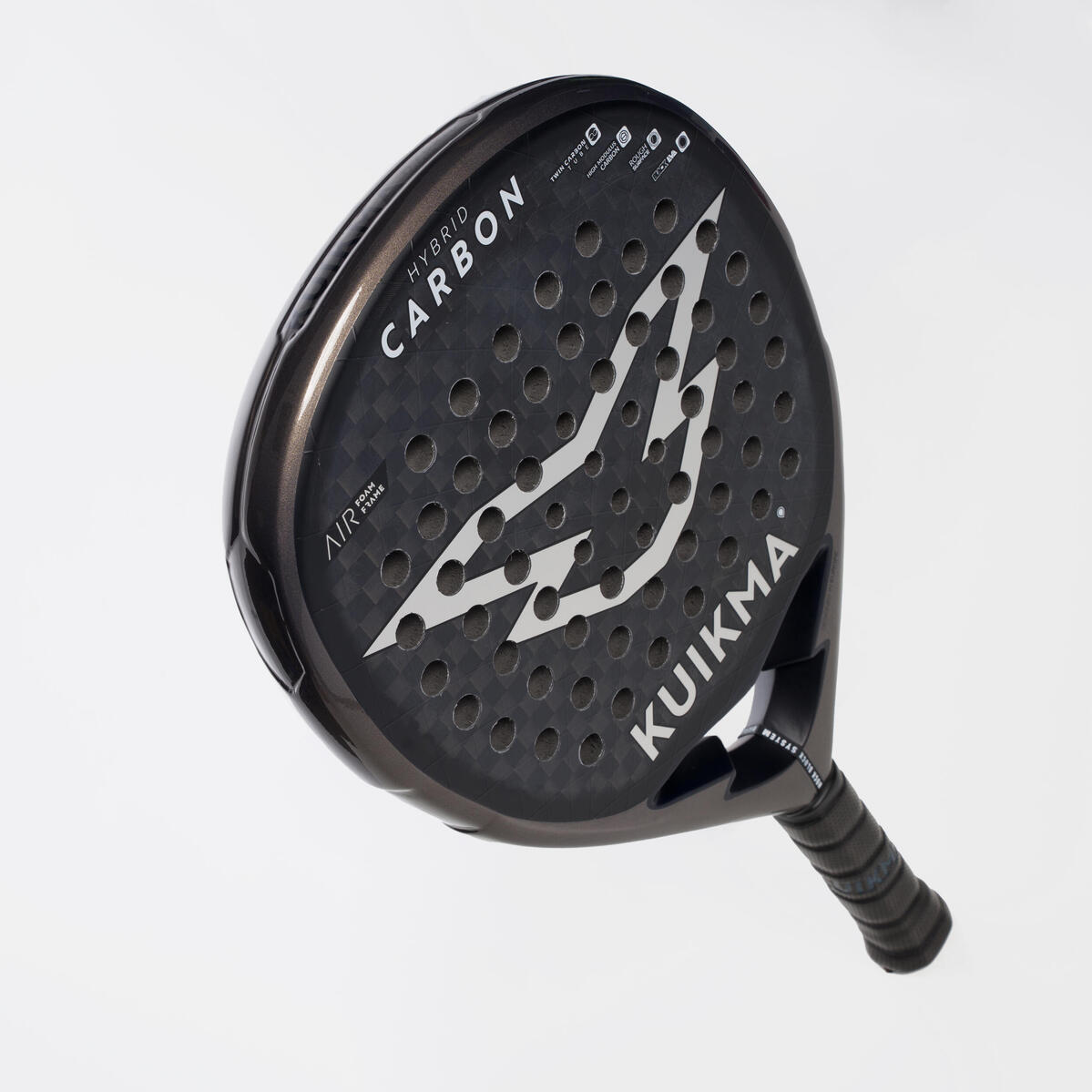
For high-level players, the PR Power Carbon is designed for maximum performance. It features 12K carbon and a diamond shape for devastating striking power.

Whether they are better or worse will depend on the way you play. A soft rubber provides more ball output, which will help you mainly in shots from the bottom, where you have to move more metres for the ball. A hard racket offers more speed on hard shots as the racket does not absorb part of the impact.
We recommend weights less than 340 grams for people who are new to the sport or have epicondylitis problems. Weights up to 360 grams for more experienced players who want to play fast or are very defensive. And weights of more than 360 grams for big players or those who are looking for maximum power, but do not want to give up agility.
Balance refers to the weight at the tip of the racket. We talk about a high balance when there is more weight in the tip and a low balance when there is more weight in the handle or heart of the racket.
The rackets do not have a hole limit, but it is a key factor in their performance. The more holes, the more hitting surface there will be, but the weaker the material will be. The fewer the number of holes, the stronger the blade will be, but the stiffer it will be, making it more difficult to hit the ball correctly.
Diamond-shaped rackets are characterized by more power but less control. With a high balance, these blades are specially designed for experienced players.
On the other hand, teardrop-shaped blades offer the right balance between power and control. This versatility makes them a popular choice for players of all skill levels.
Finally, round-shaped blades prioritize control, but sacrifice some power. These blades are ideal for players who are looking for the highest possible accuracy in their shots, but are willing to give up a little power in the process.