Weight training elastics

How to Choose the Right Resistance Bands for Your Workouts

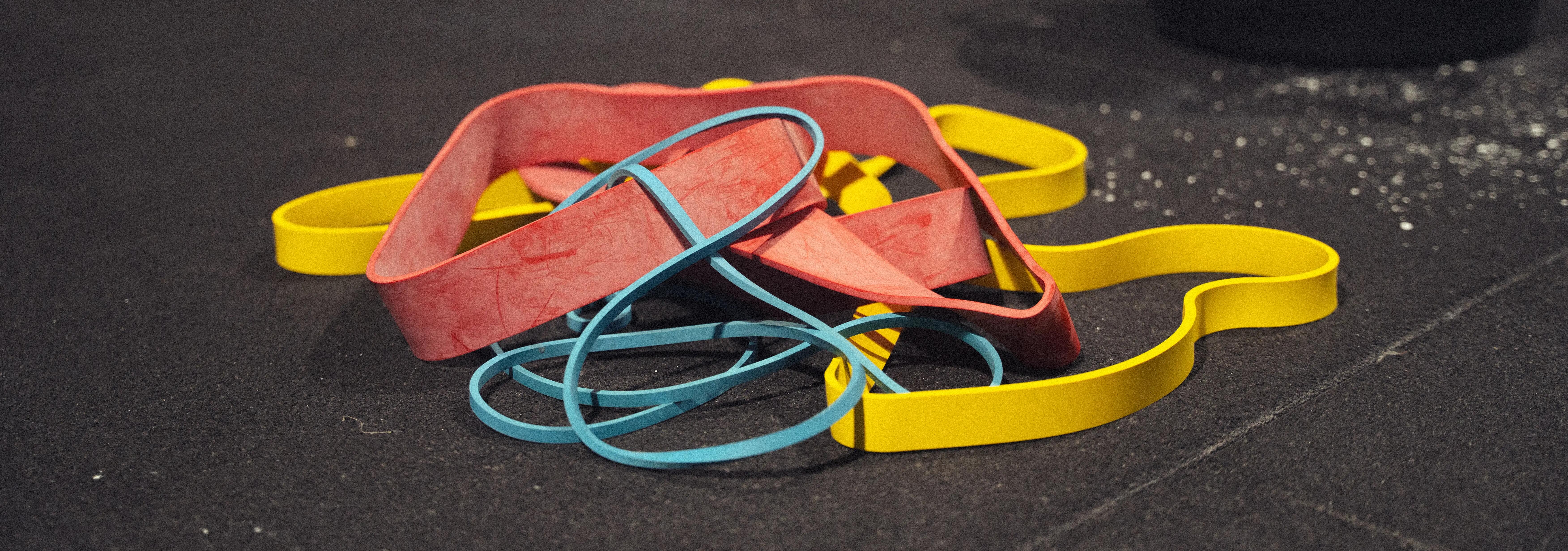
Imagine one versatile tool for a whole variety of exercises. Available in vibrant colors and made from either fabric or rubber, resistance bands can tag along with you just about anywhere.

Imagine one versatile tool for a whole variety of exercises! Available in vibrant colors and made from either fabric or rubber, these bands can tag along with you just about anywhere from the gym floor to your own living room. Can you guess what we’re talking about? Resistance bands, of course! Here is our guide on how to pick the perfect pair.

What makes resistance bands so great? It’s hard to pick just one benefit! Their biggest perk is their flexibility, letting you exercise at home, in the gym, or on the road. Plus, they are incredibly travel-friendly and can be tossed into your gym bag or suitcase without taking up space.

So, which type and resistance level should you go for? We got the inside scoop from Gérald, a product manager for resistance bands and a true weight training enthusiast.

Contents

  1. Why work with elastics?
  2. What are the different elastics?
  3. How to choose your elastics?
  4. Which elastic goes with which type of exercise?
  5. Which elastics match which goals?
  6. Which resistance strength matches which exercises?
  7. How do you choose your glute bands?

Why work with elastics?

Bodybuilding elastics, training bands, resistance bands... all these names refer to the exact same versatile tool! No matter what you call them, these bands generally serve two main purposes:

  • Adding Resistance: to make standard exercises more challenging and boost muscle growth.
  • Providing Assistance: to support your body weight and make difficult movements (like pull-ups) much easier to master.

The Secret Behind Them: Progressive Resistance

Unlike traditional weights, the magic of resistance bands lies in how the tension shifts dynamically throughout the exercise:

  • At the Starting Position: when the band is slack, tension is at its lowest.
  • Throughout the Movement: the further you push or pull and stretch the band, the harder the resistance gets, hitting its peak tension at full extension.

This progressive tension forces your muscles to work significantly harder at the peak of the movement, delivering a highly effective workout that is incredibly safe for your joints.

Standard resistance bands

What are the different weight training elastics?

Standard resistance bands

They are easily the most versatile fitness tool you can own. Designed as a continuous loop, these training bands are perfect for bodyweight routines, gym workouts, warm-ups, or mobility drills.

They let you target both your upper and lower body; basically, you can do any exercise with them.

Glute bands

Weight training elastics for buttocks

Commonly known as "glute bands," these compact rubber or fabric resistance bands target one specific area: your buttocks. Simply loop them around your thighs or ankles to get to work.

Our glute bands
Adjustable weight training expander

Adjustable weight training expander with handles

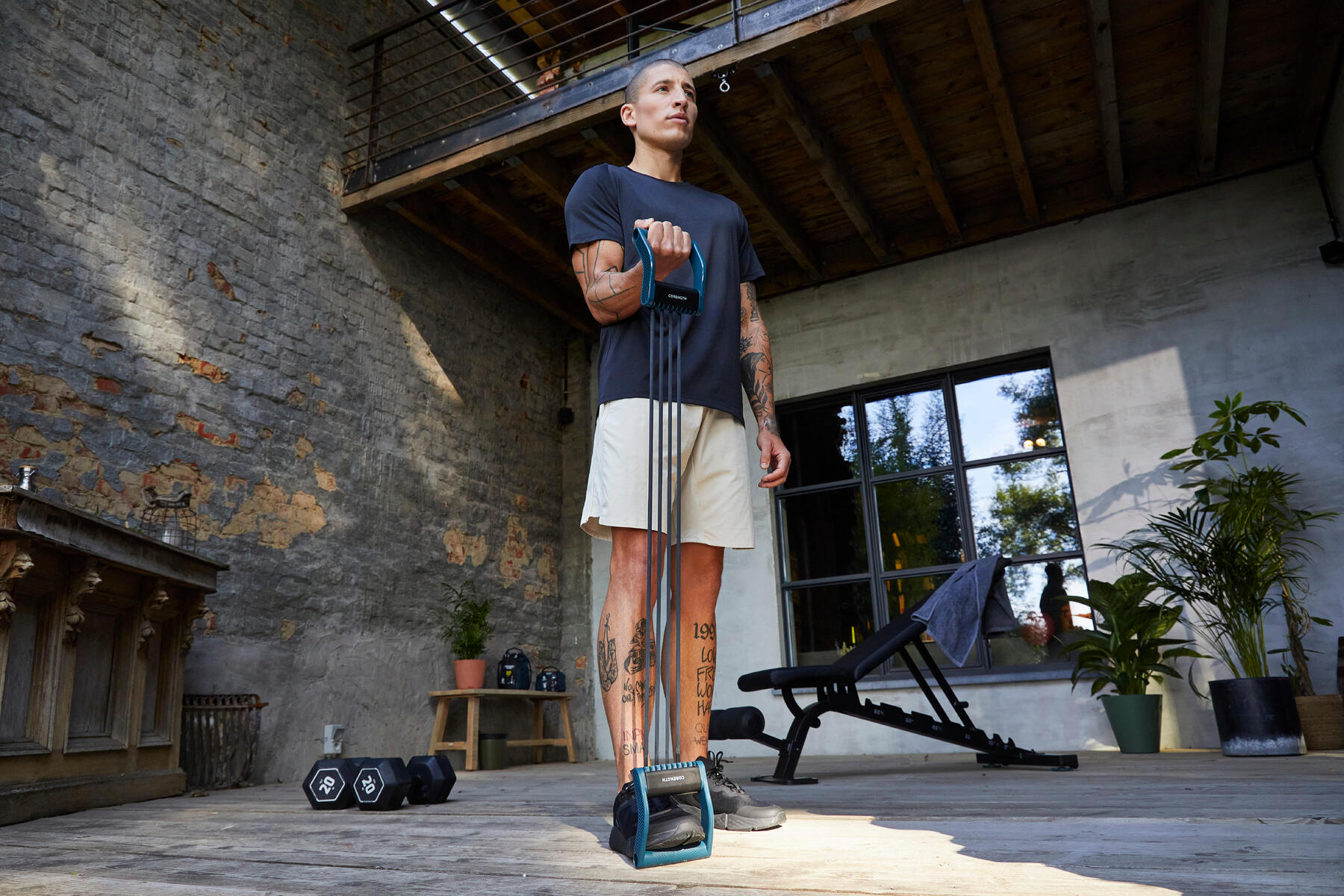
Imagine adding a touch of resistance to your bodyweight workouts. The Weight Expander is incredibly versatile, making it perfect for your home gym, the great outdoors, or anywhere your creativity takes you.

Unlike standard bands, these tube elastics (or "tonetubes") come with handy accessories like handles, ankle straps, and a door hook, ensuring easy and comfortable handling. This gives you a complete kit to train almost anywhere you want.

Plus, you can easily adapt your setup for total-body strengthening exercises as well as dynamic power workouts.

Pilates bands

Pilates bands

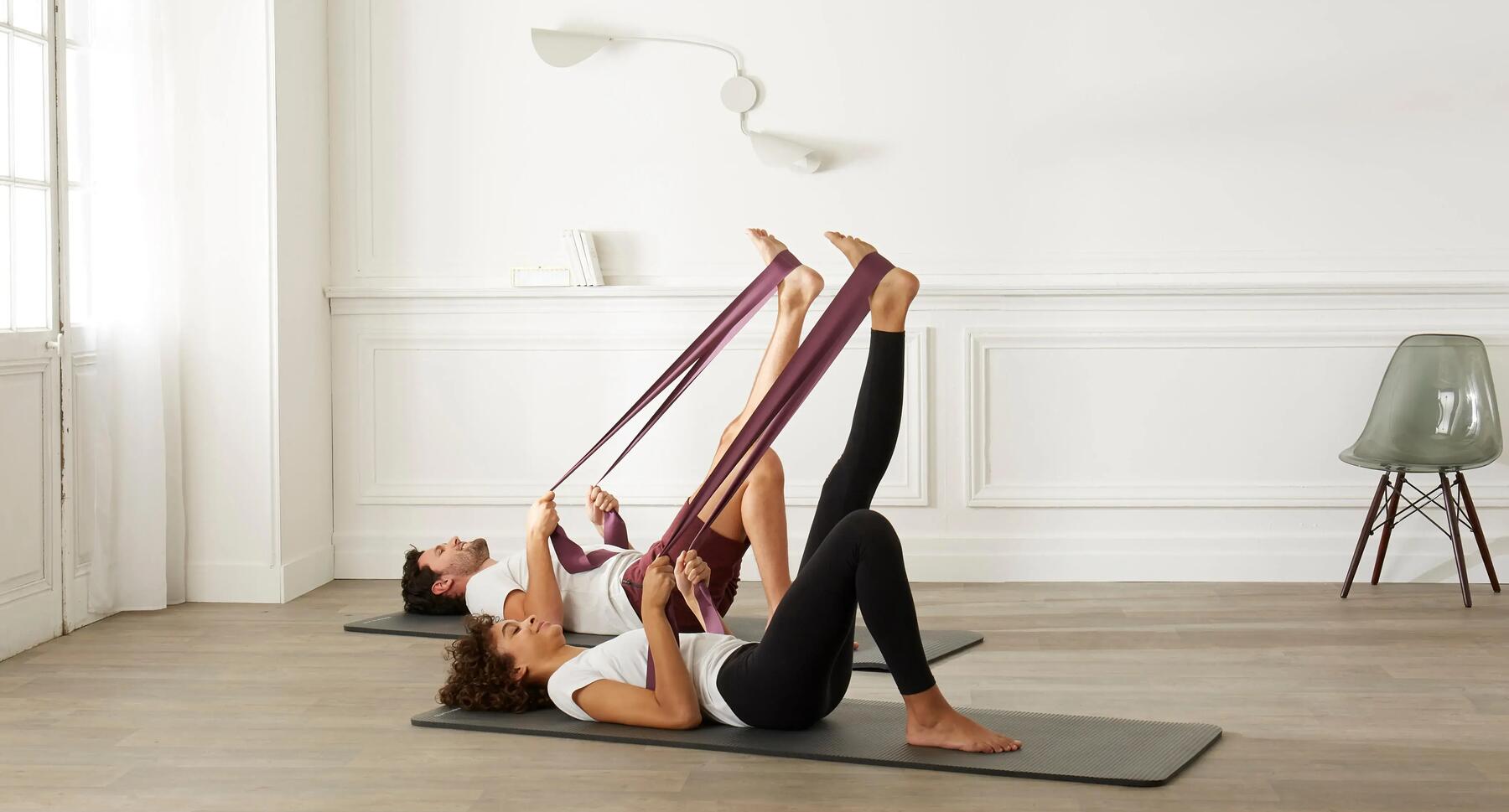
The name says it all. This flat rubber band is exactly what you need to kick the intensity of your Pilates sessions up a notch.

Shop Pilates bands

How to choose your weight training elastic bands

3 criteria enable you to choose from the large family of products:

  • Workout type
  • Physical and sporting goals
  • Resistance level required

When shopping for resistance bands, don't just pick them based on their color! There is no universal color-coding system, meaning shades can differ completely from one brand to another.

Also, just like you wouldn't rely on a single set of dumbbells for your entire fitness routine, you shouldn't stick to just one band. It is much wiser to own a set of three or four different products that can be incorporated into various stages of your workout.

Which weight training elastic goes with which type of exercise?

Weight training: if you are a gym-goer, you are likely already lifting weights. And if you happen to have a bit more space than my tiny studio apartment, you might even have a small home gym packed with gear and machines. In either case, elastic bands (training bands) or glute bands are perfect for adding an extra challenge to your sets with dumbbells or weight training bars, or for getting a good warm-up in.

Bodyweight training: whether you're at home, outdoors, or traveling, resistance bands can literally go anywhere with you. That is easily one of their biggest perks. Any type of elastic can instantly pimp your bodyweight sessions. From your living room floor right between the couch and the front door, to a local park or a hotel room, just about any space can be turned into your personal gym. In this scenario, you just choose your bands based on the specific exercises you plan to do.

Which elastics match which goals?

Which elastic to build muscles or tone up?

If the gym is your go-to spot for weight training, terms like strength training, weightlifting, or explosiveness probably sound very familiar. If that's the case, you should definitely try out standard elastic bands with a medium to strong resistance level.

On the other hand, if that description doesn't really connect with you because you mostly focus on bodyweight muscle strengthening without heavy gear or machines, your approach will be different. If your main goal is simply to tone up your entire body, whether at home, outdoors, or while traveling, any type of light to medium resistance band will do the trick.

And for warm-ups?

Building muscle is great, but you didn't think we'd overlook the rest of your routine, did you? For warm-up mobility drills and stretching, tube or band elastics with a light resistance are your best bet.

Resistance bands for pull-ups

Which elastics for pull-ups?

If you are like me and struggle to crush even a single unassisted pull-up, a resistance band can be a total lifesaver. The ultimate tool to boost your pull-up game? A standard training band with high resistance - or a medium one if you are already just a hair's breadth away from doing them on your own.

Which resistance strength matches which exercises?

Now that you've figured out which type of elastic fits your routine, that's one major step checked off. Next up, let's dive into resistance levels. This breakdown focuses specifically on standard elastic bands.

5 kg - 15 kg

Light resistance

This option is perfect if you are just starting your fitness journey and want to introduce a light challenge to your bodyweight routines. It’s also excellent for seasoned lifters looking to isolate the upper body.

Wondering which muscles it targets? It's ideal for smaller muscle groups that don't require heavy weights to get fired up, such as your deltoids, triceps, and biceps. As for the workouts, it's great for single-joint movements like lateral or front raises, bicep curls, and tricep extensions.

Light resistance elastics are also your go-to for warm-ups, mobility drills, and stretching.

25 kg - 35 kg

Medium resistance

What exactly can you train with it? It’s perfect for your legs and the entire lower body, especially your quadriceps, hamstrings, and glutes.

As you move up to higher resistance levels, the bands become better suited for targeting larger muscle groups, particularly during compound movements like squats or bench presses.

You can definitely use them for certain upper-body exercises, like resisted push-ups or rows, but you'll need a solid base of strength and a good fitness level to pull it off.

45 kg - 60 kg

High resistance

This is the absolute maximum resistance available. Built primarily for heavy strength building and hardcore weightlifting sessions, these bands are strictly for the bodybuilding pros.

Naturally, high resistance means targeting big muscle groups, so you'll be using these mainly for lower-body power moves like squats, deadlifts, and leg presses. These bands are also a favorite for pull-up assistance.

How do you choose the right glute bands?

When it comes to picking the perfect resistance band, there are 3 key factors to keep in mind: resistance, length, and material.

For resistance, while every brand has its own system, bands generally fall into three main categories: light, medium, and heavy. You'll find the weight equivalent clearly labeled on each product - and remember, the higher the number, the tougher the workout. This makes it easy to ramp up the challenge as you get stronger or switch up your exercises.

Length is another game-changer depending on your workout. It's often super helpful to use different lengths based on where you’re placing the band, like around your thighs versus your ankles. Plus, some bands are completely adjustable, featuring a handy opening and closing system that makes putting them on a breeze.

Finally, for the material, you’ve got two choices: rubber or fabric (textile). The ultimate winner? Whichever one feels best to you! When it comes to texture, it’s entirely a matter of personal preference.

All weight training elastics

If you've made it this far, major props to you! You now have a crystal-clear picture of the entire resistance band family. This affordable, highly versatile little accessory will truly never let you down. To wrap things up and pick your perfect match, just keep three things in mind: how you plan to use it, your personal fitness goals, and your current level.