Does Swimming Build Muscle?
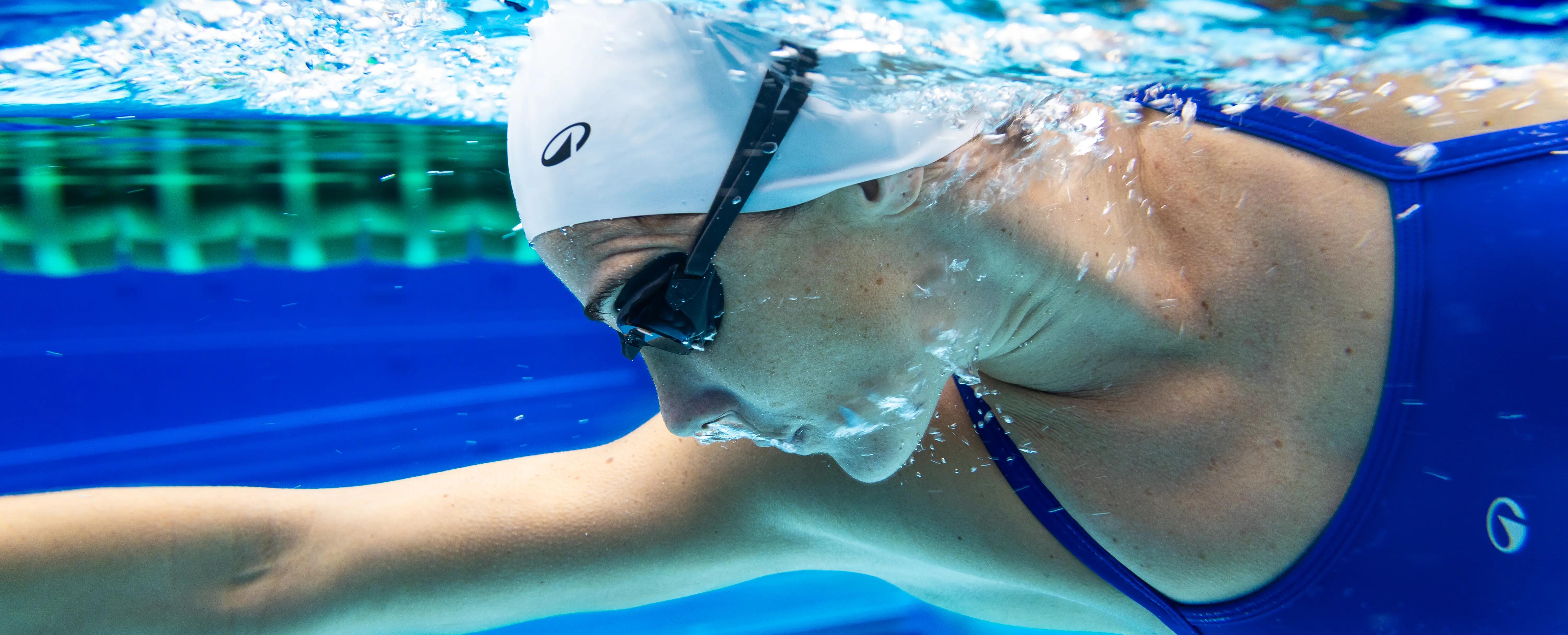
With low body fat and strong muscles, top swimmers possess a body that many of us dream of. But how does swimming build muscle mass over time? Let's find out.
Swimming is a sport that offers a full-body workout, challenging nearly every muscle group in the body rather than just focusing on one area. From the arms and shoulders to the back, and from the core to the legs and feet, there is no avoiding the burn of a high-intensity swim session.
Does Swimming Help with Building Muscle?
Professional swimmers certainly don't lack muscle mass. They are well-developed, highly efficient machines with minimal body fat and powerful muscles. The physique of a swimmer might just be the perfect body type, and in this post we explore how you can also develop muscle through swimming.
Nevertheless, attempting to build muscle solely through swimming is a challenge. It is far more effective to integrate swimming into a broader program and combine it with weightlifting. Maintaining a healthy diet and proper supplementation are also crucial if you aim to achieve a real transformation.
Building and strengthening muscles requires consistent, uninterrupted swimming sessions. To maintain your focus underwater without irritation, equip yourself with high-quality, anti-leak Swimming Goggles and a comfortable Swim Cap. This ensures 100% of your energy is focused on stroke technique and muscle engagement rather than adjusting your gear.
Swimming Goggles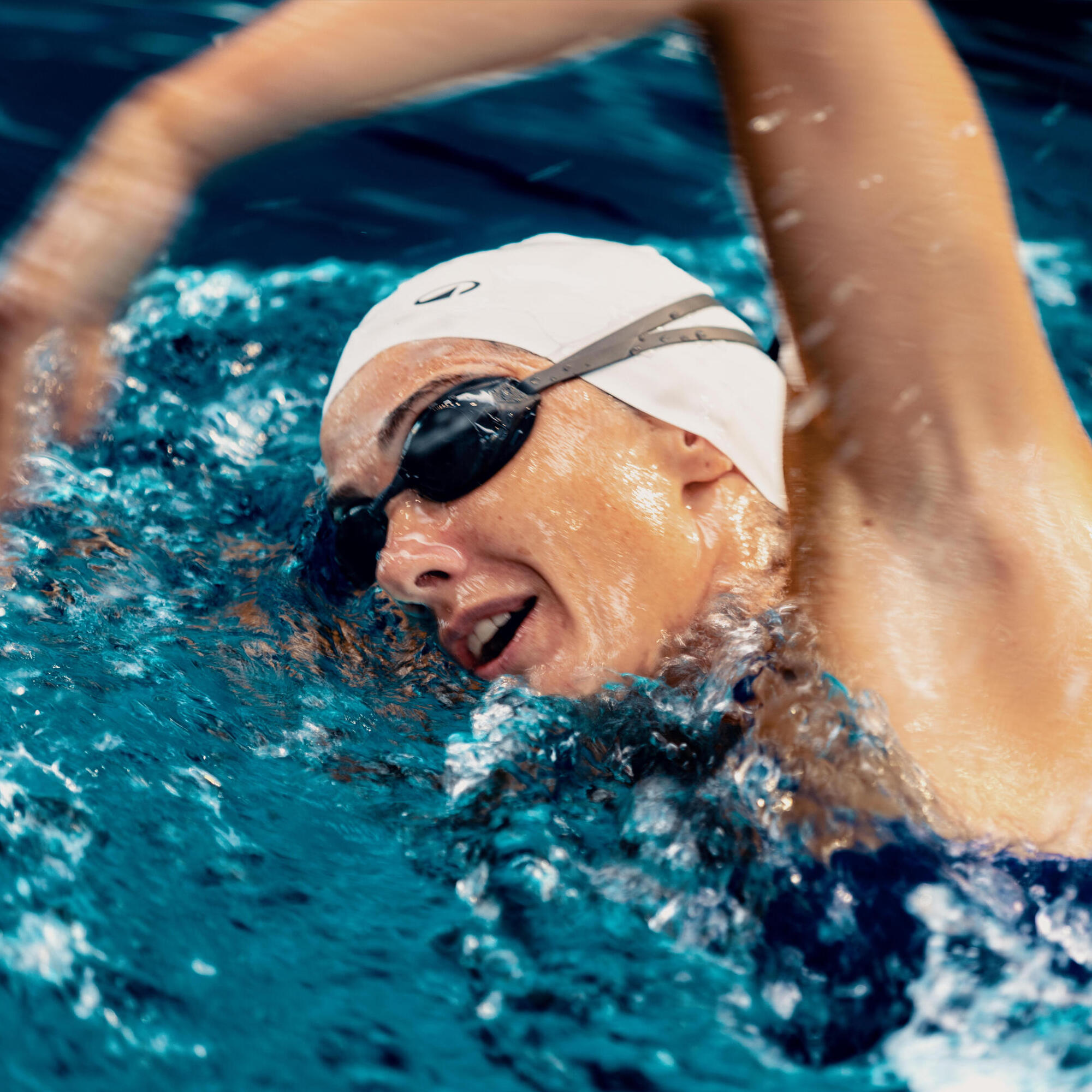
Why is Swimming Good for Building Muscle?
Due to its low-impact qualities, swimming is perfect for almost everyone. No matter your age or physical state, the advantages involve better recovery, a robust cardiovascular session, and naturally, muscle toning and development.
Swimming acts as a type of resistance training. It is comparable to lifting weights but without putting the same pressure on your joints. The low-impact aspect of swimming makes it a more sustainable way to tone muscles without the possible negative side effects often associated with the constant lifting of heavy loads.
With the comprehensive full-body workout that swimming offers, numerous muscle groups can be engaged. Swimming exceeds most other sports in this area by offering the perfect stimulus for muscle growth throughout the entire body. Specifically, the shoulders, abs, back, legs, and triceps are steadily worked during a swim.
By swimming regularly and consistently exposing your body to the resistance generated when moving through water, you prompt your muscles to adjust to that stimulus, leading them to grow and develop.
What Does Science Say About Swimming and Muscle?
Studies strongly back the connection between swimming and muscular growth, especially in the upper body. Research found that elite swimmers possessed considerably higher shoulder strength in all primary muscle groups — flexors, extensors, abductors, and adductors — along with increased lean muscle mass in their arms and throughout the entire body.
Notably, the duration required to achieve peak muscle strength was comparable across training groups, which implies that long-term training volume, frequency, and experience are more significant factors than raw explosiveness alone.
This emphasizes that swimming develops strength via steady, controlled motion rather than brief bursts of power, making it efficient for building functional muscle over the long term.
What Muscles Does Swimming Work?
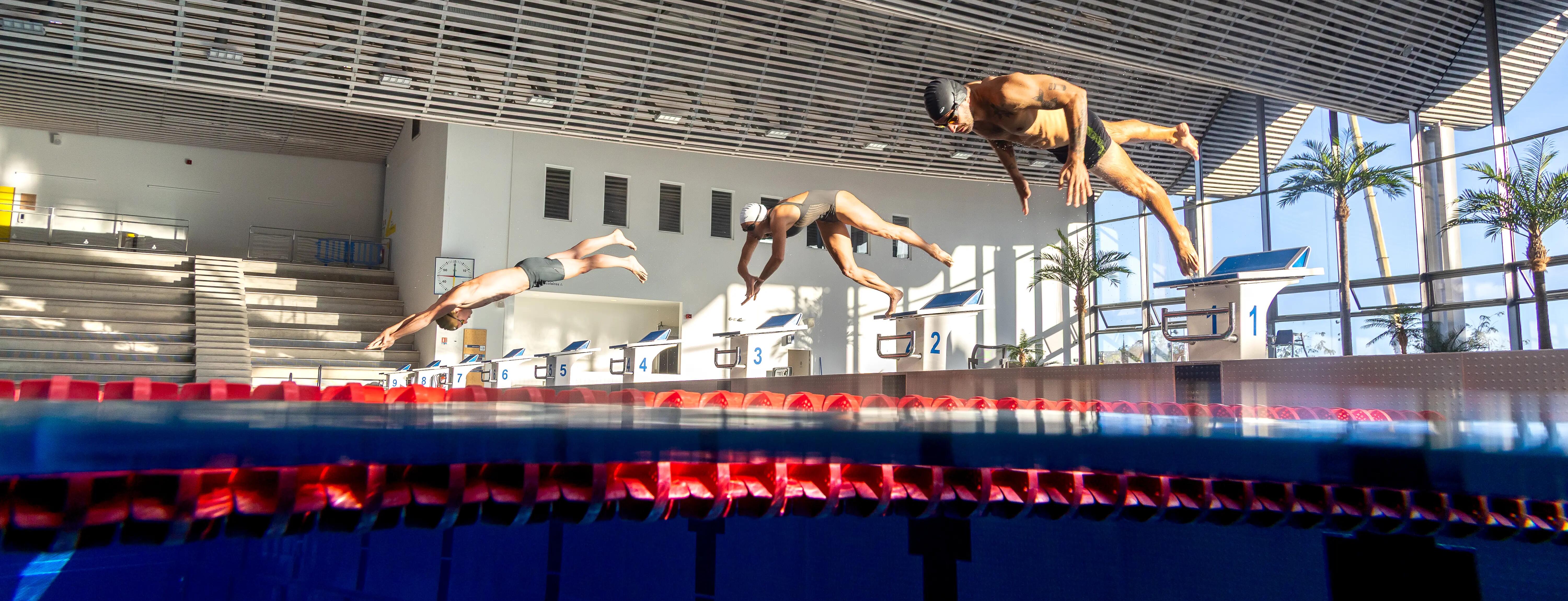
Swimming involves almost every muscle in the body, although the specific muscles utilized vary by stroke. Regardless of technique, all strokes build these essential muscle groups:
- Core muscles — keep the body stable in a streamlined posture, decreasing drag.
- Shoulders — help with hand entry and reaching forward in the water.
- Forearm muscles — provide the pulling strength needed for propulsion.
- Upper back muscles — maintain shoulder stability throughout the strokes.
- Glutes and hamstrings — assist in staying balanced and driving motion through the water.
To increase the load on the extensors and flexors in your legs, incorporating Swimming Fins into your routine provides excellent resistance. Alternatively, if you want to isolate your lower body and focus entirely on building arm and back strength, using Hand Paddles or Kickboards will give you a highly targeted, intensive workout.
Swimming also enhances posture, breathing, stamina, and total muscle mass while providing a comprehensive full-body workout. It is an exceptionally effective exercise that can lead to significant changes in your physique over time.
What Muscles Does Front Crawl Work?
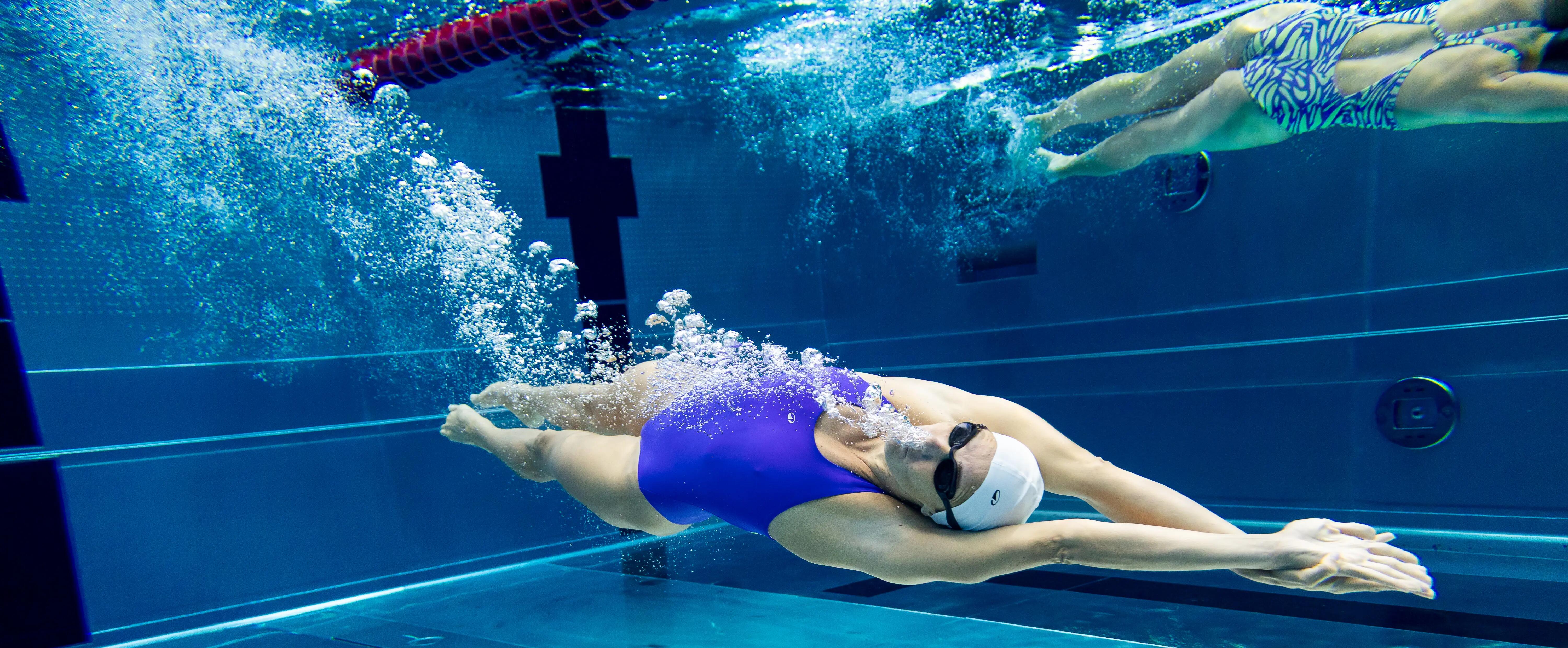
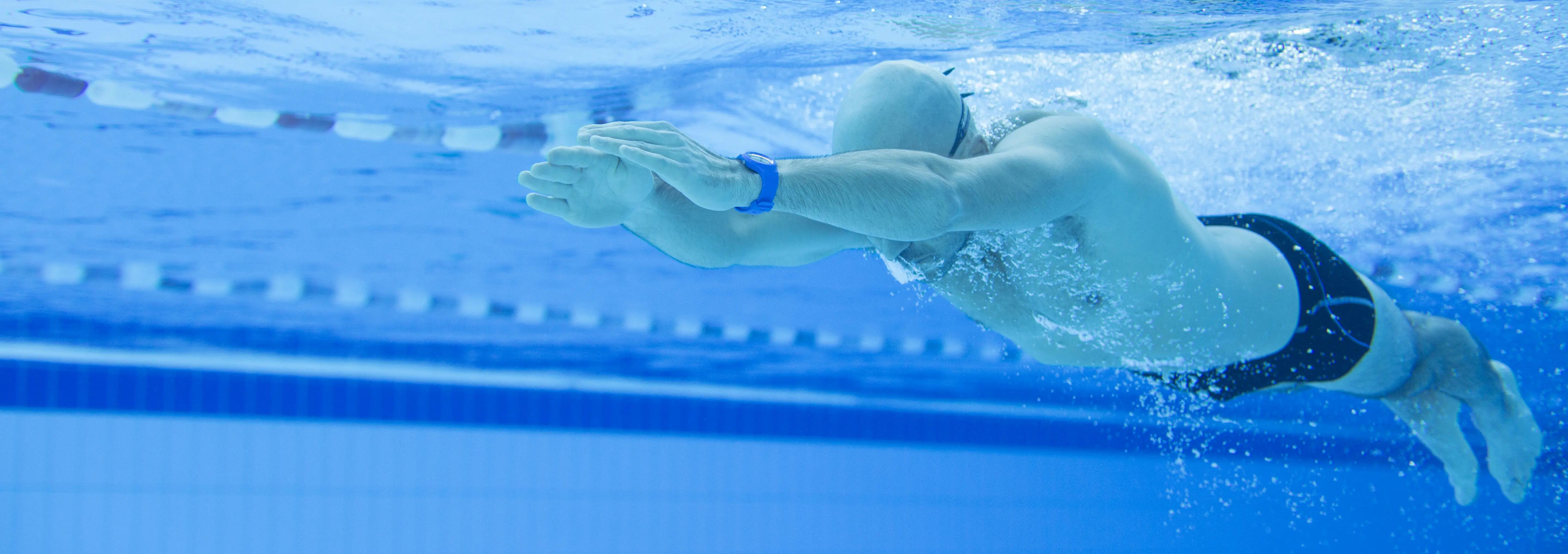
This swimming stroke doesn't just engage your upper body muscles; it's also excellent for the torso, abdomen, back, and lower body. The crawling arm motion alone is a superb way to tone the deltoid and shoulder muscles. Your core remains active throughout the exercise, which yields great results for your oblique muscles.
Additionally, the flutter kick motion benefits various parts of your lower body, such as foot muscles, calf muscles, and hip flexors.
What Muscles Does Backstroke Target?
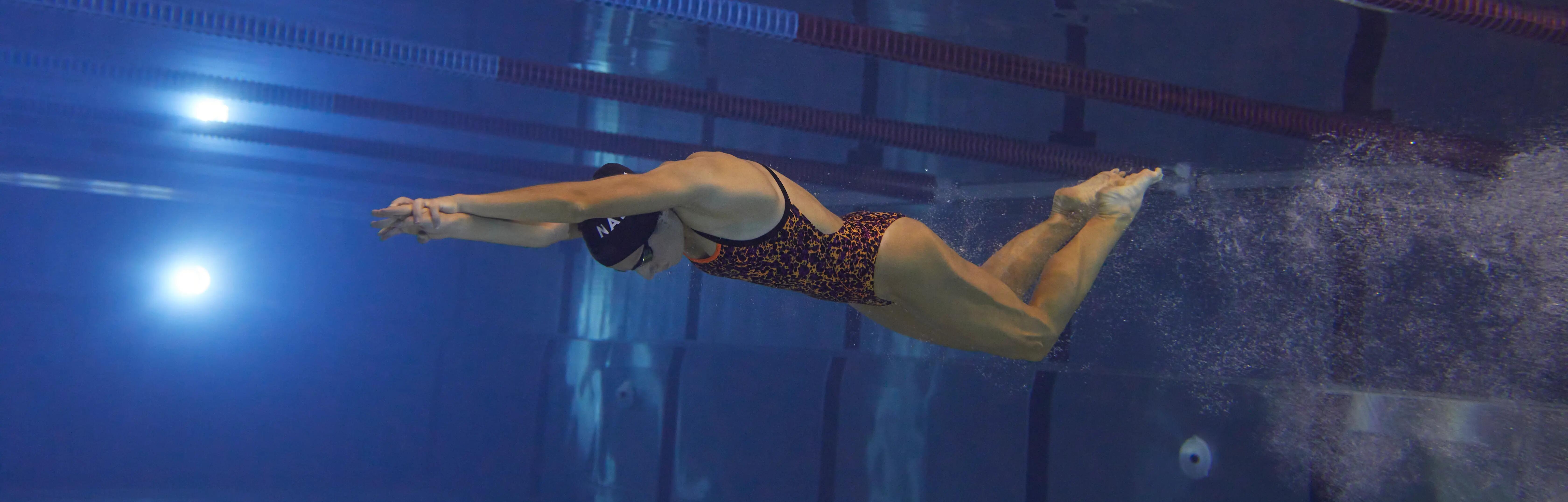
In a similar fashion to front crawl, rotating your shoulders and hips will generate momentum. As you lift one arm forward out of the water, the other moves in the opposite direction underwater. Keep your legs close together and kick from the hips rather than the knees.
- Aim to keep your body as flat as a plank throughout — the more streamlined your shape, the less resistance you face and the easier it becomes to increase speed.
- Try to keep your hips floating on the water's surface. In practice they will sink slightly below, but this still makes it easier to stay flat while moving.
- Maintain a still head and a relaxed neck as you swim. Your ears should be underwater and your gaze directed upward and backward.
While it simultaneously targets a broad range of muscles like front crawl, backstroke differs in that you won't need to engage your neck muscles as much by rotating your head to breathe. This style engages the inner and outer abdominal muscles and also targets the hamstrings, lower body muscles, and hip flexors.
What Muscles Do Breaststroke and Butterfly Target?
Breaststroke is an ideal choice for less active or older swimmers, as it effectively exercises the lower body, especially through the kicking motion that targets the quadriceps, hamstrings, and lower back. The sweeping arm movements and head motion also engage the chest, shoulders, and arms — including the deltoids, triceps, and biceps.
Similarly, the butterfly stroke heavily focuses on the lower body and is an excellent choice for building power. It strengthens the core, glutes, and lower back as you move and lift your body to breathe, while also giving the arms and shoulders an intense workout.
Swimming vs. Weightlifting
You can build muscle through swimming, but depending on your goals, swimming alone might not be enough. When you combine swimming with weightlifting, you will achieve stronger, more visible results.
Most cardio exercises tend to consume the body's energy rather than build muscle. Cycling and running are prime examples of activities that don't necessarily focus on increasing muscle mass. Professional athletes in these sports often seek to reduce excess muscle mass because it adds extra weight they must carry.
Swimming, however, is completely different. Swimmers need muscle to enhance their performance. This is where weightlifting comes in, providing the necessary stress to stimulate optimal muscle growth. When lifting weights, target the same muscles you use while swimming — and avoid overtraining the biceps and chest.
What Nutrition is Required for Muscle Growth?
Training alone isn't enough to build muscle; proper nutrition is the foundation. Swimming breaks down muscle fibers, and true growth happens during recovery when your body repairs them. As you train in the pool and the gym, your muscles get broken down — but they grow back bigger and stronger, hence the increase in strength.
To help your body rebuild faster, you need the right nutrients. You can easily boost your diet with Protein and Creatine supplements, which are essential for speeding up recovery and increasing muscle strength. If you need a quick, nutritious boost right before or after your swim, grabbing some Healthy Sports Snacks is the perfect way to instantly refuel and keep your energy levels high.
If you're an active swimmer, aim to consume at least 2g of protein per kilogram of body weight — perhaps more if you train intensely. Carbohydrate intake is also important, especially at high intensity, as muscle glycogen levels can become depleted after an intense session.
The Importance of Recovery for Muscle Growth After Swimming
Keep in mind that true muscle growth actually happens outside the pool during rest and recovery. The moment you step out of the water, it's crucial to keep your muscles warm to prevent cramping and aid the recovery process.
Dry off quickly with a Quick-Dry Microfiber Towel or slip into a comfortable Swimming Poncho to provide instant warmth and kickstart your recovery before you grab your post-workout meal.
By getting enough rest and meeting your body's nutritional needs, you give it the tools it needs to recover. You can swim daily if you wish, but balance intense training days with lighter, recovery-focused swim sessions. Light exercise helps stimulate blood circulation, allowing the body to clear out waste products faster.
Ultimately, executing the correct mechanics of each stroke with a full range of motion is the real secret to building muscle. To achieve this and avoid feeling restricted, make sure to wear professional, aerodynamic Swimwear that reduces drag and gives you maximum flexibility.
If you are aiming to develop muscle through swimming, Decathlon is here to support you at every stage of your athletic journey. With a wide range of swimming accessories and aquatic fitness gear, you will find everything you need to achieve the results you aspire to.
Discover our Swimming Range